Were you searching for content concerning Is it safe to flush food (especially rice) down the toilet??
Intro
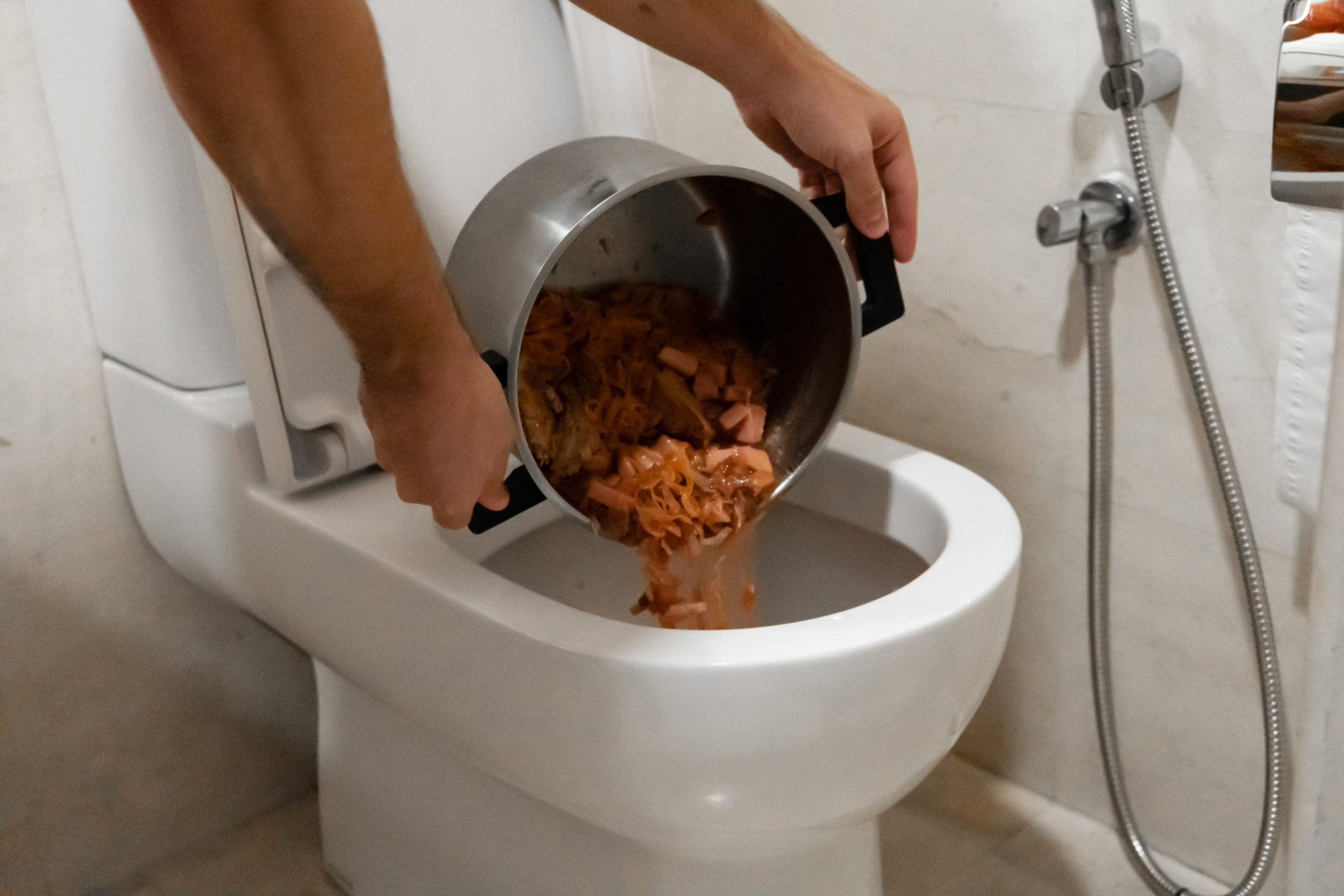
Many people are frequently faced with the dilemma of what to do with food waste, specifically when it concerns leftovers or scraps. One common inquiry that arises is whether it's okay to flush food down the toilet. In this article, we'll look into the reasons why individuals could think about flushing food, the effects of doing so, and alternate approaches for proper disposal.
Reasons why people might consider purging food
Absence of awareness
Some individuals may not be aware of the possible damage triggered by purging food down the bathroom. They may incorrectly think that it's a harmless practice.
Comfort
Flushing food down the bathroom may look like a quick and easy option to dealing with unwanted scraps, particularly when there's no nearby garbage can readily available.
Negligence
Sometimes, individuals may just pick to flush food out of large laziness, without thinking about the repercussions of their actions.
Repercussions of flushing food down the commode
Ecological influence
Food waste that winds up in waterways can contribute to contamination and injury water communities. Furthermore, the water made use of to flush food can stress water sources.
Plumbing problems
Purging food can lead to blocked pipes and drains pipes, creating costly plumbing fixings and inconveniences.
Types of food that ought to not be flushed
Fibrous foods
Foods with fibrous textures such as celery or corn husks can get tangled in pipelines and cause blockages.
Starchy foods
Starchy foods like pasta and rice can soak up water and swell, bring about blockages in pipes.
Oils and fats
Greasy foods like bacon or cooking oils should never be purged down the commode as they can solidify and cause obstructions.
Proper disposal approaches for food waste
Using a waste disposal unit
For homes equipped with garbage disposals, food scraps can be ground up and flushed with the plumbing system. Nonetheless, not all foods appropriate for disposal in this manner.
Recycling
Specific food packaging products can be recycled, reducing waste and reducing ecological effect.
Composting
Composting is a green means to dispose of food waste. Organic materials can be composted and used to enhance dirt for horticulture.
The relevance of appropriate waste management
Lowering environmental injury
Proper waste monitoring practices, such as composting and recycling, help lessen contamination and preserve natural resources for future generations.
Securing plumbing systems
By staying clear of the practice of flushing food down the toilet, house owners can avoid costly pipes fixings and maintain the integrity of their plumbing systems.
Final thought
In conclusion, while it may be alluring to flush food down the bathroom for convenience, it's important to comprehend the potential consequences of this activity. By embracing proper waste management methods and dealing with food waste sensibly, individuals can contribute to much healthier pipes systems and a cleaner atmosphere for all.
THINK TWICE BEFORE FLUSHING FOOD DOWN YOUR TOILET IN FALLBROOK CA
Let’s be honest, we’re really supposed to be tossing rotten or leftover food in the compost bin or trash can. But many people like to place scraps of food down the drain of, say, their kitchen sink. That’s why the garbage disposal was invented: so we can continue to place certain foods down the drain without clogging our drain in the process. Smart.
But not all of us have the luxury of having a garbage disposal installed. So, you might continue to shove food down your sink drain anyway – or worse: you might flush them down your toilet! If you’re guilty of doing the latter, you’re going to want to stop, and here’s why:
Toilet Drains Aren’t Designed to Handle Food!
There’s your answer: food just doesn’t belong in your toilet. It may seem like your toilet drain is wider than the drains of your sinks, but truth be told, that isn’t actually the case. The narrower pipes of your toilet leave your plumbing at risk for clogging if you do happen to flush your food. In addition, food doesn’t break down as quickly that toilet paper and human waste do. In turn, this leaves your toilet at risk for a nasty clog.
Although a flush of a tiny pinch of food every now and then isn’t going to completely damage your toilet, there are certain foods that should absolutely not be flushed in your toilet at all. These include starchy foods like mashed potatoes, grains, hard pieces of food that are slow to break down, and fats and oils.
The latter categories of food are particularly problematic as they may harden, expand as they absorb water, break down slowly in your system, or generally create the perfect obstruction with their gelatinous composition. These are all things you don’t want in your plumbing system!
Experiencing a Toilet Clog?
Nobody’s perfect, and we all make mistakes. Sometimes one of the mistakes people make is flushing food down their toilet and later realizing that it wasn’t the best thing to do once they see that their toilet is now clogged. Uh-oh!
I stumbled upon that content on Flushing Food Down the Toilet? when perusing the web. Do you know about anybody else who is interested in the niche? Why not promote it. Thank you for being here. Return soon.
Book My Estimate